Community Orchards and Urban Fruit Trees — How a Shared Apple Tree Builds Community and Protects Biodiversity

When we picture greening our cities, we usually imagine rows of ornamental maples along the streets or neatly mowed lawns in parks. Yet a growing number of cities, neighborhoods, and schools around the world are rediscovering a simple but remarkably effective idea: planting fruit-bearing trees exactly where people live, work, and gather. Community orchards and individual fruit trees on squares or near apartment blocks are more than a decorative addition to urban greenery — they are living links between people, nature, and local history.
In this article, we explore why apple, pear, plum, and berry-bearing shrubs deserve a permanent place in urban green infrastructure planning, what is lost as traditional orchards and heirloom fruit varieties disappear from the countryside, and how anyone — an apartment dweller, a parent, a teacher, or a local activist — can start a small neighborhood orchard of their own.
What Are Community Orchards and Urban Food Forests
A community orchard is a piece of land — sometimes just a small strip between apartment buildings, sometimes a larger area within a park — planted with fruit trees and berry shrubs whose harvest is available to everyone in the neighborhood. Unlike a private backyard orchard, a community orchard is a shared good: no single person owns it, and the responsibility for its care is distributed across residents or a group of volunteers. This model fits perfectly within the idea of urban ecology built on cooperation, rather than services delivered solely by a municipal parks department.
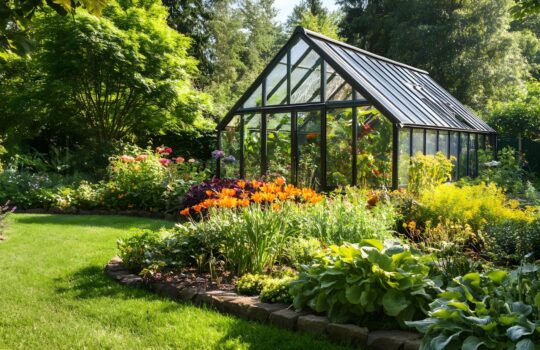
A closely related but broader concept is the food forest, a multi-layered planting designed to mimic a natural forest ecosystem — fruit trees forming the upper canopy, berry shrubs as a middle layer, and herbs, perennial vegetables, and ground cover plants filling the base. Such a system requires careful initial planning, but after a few years it becomes largely self-sustaining and demands far less ongoing labor than a traditional vegetable garden.
How This Differs From Ordinary Street Trees
It is worth stressing that fruit trees serve a different function than typical ornamental street trees planted mainly for shade and aesthetics. Fruit-bearing species require somewhat different siting considerations — they need good sun exposure, room for the canopy to develop, and a location where fallen fruit will not become a nuisance on sidewalks or parking areas. At the same time, they offer something purely decorative trees cannot: a concrete, edible benefit for residents, visible and tangible several times a year, from spring blossom through autumn harvest.
A Fading Heritage — Heirloom Fruit Tree Varieties
Just a few decades ago, orchards on family farms across the countryside were full of varieties whose names are now nearly forgotten — regional apples and pears bred over generations for local soil and climate, each with its own flavor, texture, and story. With the industrialization of agriculture and the dominance of a handful of commercial apple varieties found in every supermarket, thousands of heirloom, regional fruit varieties have vanished from the landscape or survive only in isolated, aging specimens. Across Europe and North America, a substantial share of traditional apple and pear diversity is estimated to have been lost over the past century.
What we lose with these varieties is not merely the sentimental taste of a childhood memory. Heirloom varieties often carry traits that modern fruit, selected primarily for transport durability and cosmetic appearance, frequently lacks — natural resistance to fungal diseases, tolerance to drought, or the ability to fruit reliably without intensive fertilization. Preserving them is a practical form of protecting genetic diversity, one that could prove invaluable as the climate shifts and new plant diseases emerge.
Why It’s Worth Planting Heirloom Varieties in Cities
Planting heirloom, regional varieties in community and urban orchards carries a double value. First, it protects a living gene pool of varieties that might otherwise disappear entirely — every newly planted heirloom tree becomes, in effect, a living gene bank. Second, it builds residents’ awareness of local culinary and agricultural heritage. When choosing saplings, it is worth looking for:
- local nurseries specializing in regional heirloom varieties,
- plants adapted to the local climate and soil conditions,
- varieties resistant to common diseases (such as apple scab), reducing the need for chemical treatments,
- a mix of varieties with staggered ripening times, to extend the harvest season.

Fruit Trees as a Haven for Pollinators and Wildlife
Fruit trees in spring blossom are among the most important sources of nectar and pollen for pollinating insects in the city — honeybees, solitary wild bees, bumblebees, and butterflies. At a time when many urban green spaces are still poor in flowering plants, the blossoms of apple, pear, and cherry trees serve as crucial “refueling stations” for pollinators emerging after winter. The abundance and reliability of this food source directly affects the health of local insect populations, and in turn the effectiveness of pollination for other plants nearby, including vegetables in home gardens.
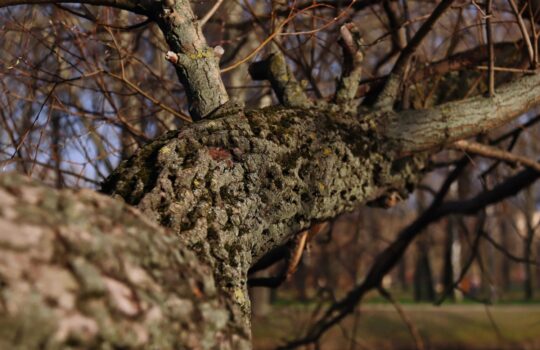
The benefits do not end with the flowers. Ripening and fallen fruit becomes a food source for birds such as blackbirds and starlings, as well as for insects and small mammals. Even a tree whose fruit people never fully harvest is not wasted — it simply becomes part of the local food chain. Hollows in older fruit trees often provide nesting sites for birds and shelter for overwintering insects, making a community orchard a far richer habitat than a uniform lawn.
Community Around a Tree — The Social Benefits of Urban Orchards
Beyond their ecological value, community orchards carry enormous potential to bring people together. Planting, tending, and harvesting fruit together creates a natural occasion for neighborly interaction — something increasingly rare in many cities today. A community orchard project often becomes the starting point for a local group that goes on to organize other initiatives, from waste sorting campaigns to neighborhood picnics. The shared effort invested in caring for the trees builds a sense of ownership over shared space, which in turn tends to reduce vandalism and increase overall care for other elements of urban greenery.
Particularly valuable is the educational dimension of these initiatives. For many children growing up in apartment blocks, a community orchard may be the first place where they can actually see fruit growing on a tree, observe the full cycle from blossom bud to ripe fruit, and even pick it themselves. Such direct experience carries far more weight than any classroom lesson — it teaches patience, respect for nature’s slower rhythms, and builds a lasting emotional connection to the natural world that is difficult to replace with anything else.
Community Orchards in Practice — Real-World Examples
The idea of community orchards is growing worldwide in many different forms and scales. In numerous cities across Western Europe and North America, public fruit orchards are established by municipalities in partnership with residents, where anyone is free to pick the fruit. Similar initiatives are increasingly appearing elsewhere too, often supported by environmental foundations, housing cooperatives, and neighborhood councils. The most common forms of such projects include:
- School orchards — plantings on primary school grounds, used as part of nature education programs and tended by students together with teachers.
- Mini neighborhood orchards — a handful to a dozen fruit trees and berry shrubs on shared green space belonging to a housing cooperative or residents’ association.
- Public fruit-tree avenues — plantings along bike paths or walking trails, where fruit trees replace some of the more typical ornamental species.
- Community gardens with an orchard element — existing allotments or neighborhood gardens expanded with a zone of fruit trees and shrubs open to all participants.
What these projects share is that they rarely start from the top down — usually it is an engaged group of residents who initiate the conversation with the land’s owner or manager, and only afterward comes formal approval and implementation. It’s worth following environmental organizations and checking updates on ongoing projects to see how similar initiatives are being carried out step by step elsewhere.
Starting Your Own Community Orchard — A Practical Guide
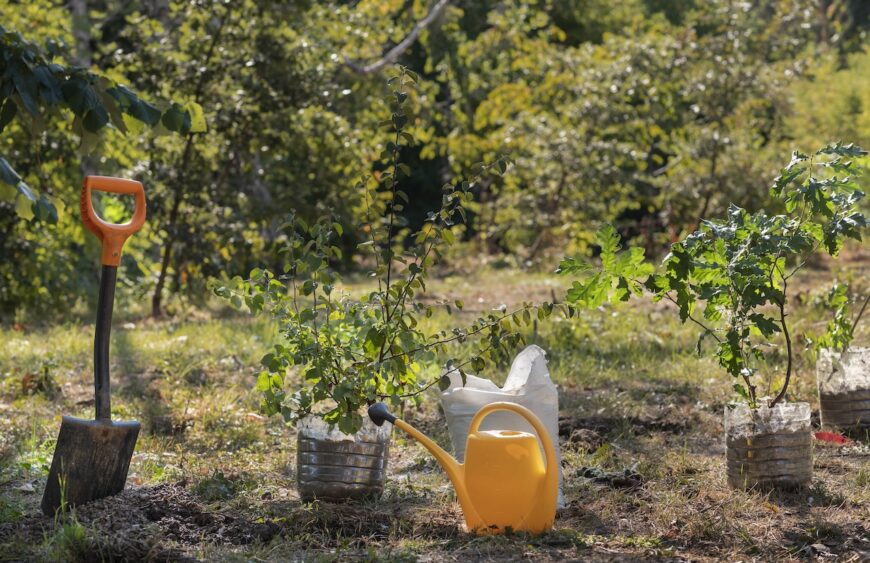
Starting a community orchard does not require extensive horticultural expertise or a large budget — but it does require good planning and consistency in the first years after planting, when trees are at their most vulnerable. The first step is always finding the right location: sunny, with access to water, and, just as importantly, formally agreed upon with the landowner or manager, whether that’s the local municipality, a housing cooperative, or a school administration.
Another key element is choosing species and varieties suited to local conditions and to the people who will be tending the trees. It’s worth considering:
- dwarf or semi-dwarf apple and pear trees — easier to harvest and maintain than traditional, tall trees;
- plums and cherries — generally less demanding and quicker to start bearing fruit;
- berry shrubs (currants, gooseberries, chokeberries) — produce results within a year or two, which helps sustain community enthusiasm while waiting for the first tree harvests;
- disease-resistant varieties suited to local pests, reducing the need for spraying.
Equally important is planning a long-term care system — a watering schedule for dry summers, formative pruning in spring, and clear rules for harvesting, so that fruit reaches everyone involved fairly rather than just those who arrive first. Simple volunteer duty rosters work well here, along with shared events such as a “planting day” or a “harvest festival,” which further strengthen community bonds and attract new volunteers for future plantings.
Fruit Orchards as Part of a Larger Mission to Protect Nature
Community orchards and individual urban fruit trees are among the most tangible ways ordinary residents can genuinely influence the state of local nature. They combine the protection of biodiversity, support for pollinators, preservation of heirloom variety heritage, and the building of social bonds — all without requiring vast land holdings or specialized equipment. It takes just one tree, planted in the right place, to become over time an important node on the map of the local ecosystem and a gathering point for generations of residents to come.
At the One More Tree Foundation, we believe that every tree — including the fruit tree growing just outside an apartment window — matters in the fight against climate change and biodiversity loss. If you’d like to learn how to support tree planting in your area or join our efforts, we invite you to visit our foundation’s website, where you’ll find information about current projects and ways to get involved. Together, we can help more neighborhoods, schools, and city squares turn green not just with leaves, but with fruit.
Related Articles
Categories
Recent Comments
Recent Posts
Tags
animal protection biodiversity climate change consumer's rights Consumerism consumism CSR eco education ecological education ecology educational workshops electronics employee volunteering employer responsibility environment environmental protection event-cleaning event-education event-flowers event-trees event-volounteering event-volunteering flower meadow global warming green pulse of silesia labour law mental health natural environment nature phenology planting-event planting_event production process recycling repair services smartphone spring Stellantis sustainability trash tree planting trees waste segregation well-being workplace