Plant one million trees with us!
Articles

How to Design a Garden That Welcomes Hedgehogs, Amphibians and Other Small Creatures

OBRAZEK WYROZNIAJ MISIA

When we picture nature conservation, we usually imagine forests, rivers, or distant reserves. Yet one of the most important battlegrounds for biodiversity lies right outside our windows – in our own gardens and backyards. Hedgehogs, frogs, toads and newts have shared our surroundings with us for generations, feeding on garden pests and supporting a natural balance. Today their numbers are falling sharply across much of Europe, and one of the main reasons is simply how we design and “tidy” our gardens.

The good news is that anyone with even a small patch of green space can help reverse this trend. It doesn’t take major investment – just a handful of thoughtful choices: a gap in the fence, a fish-free pond, a pile of leaves left undisturbed. Below we walk through, step by step, how to turn an ordinary garden into a genuine refuge for small wildlife.

Why Hedgehogs and Amphibians Are Disappearing From Our Gardens

The population of the West European hedgehog (Erinaceus europaeus) has shrunk so dramatically that in 2024 the IUCN upgraded its Red List status to “Near Threatened.” In Britain, where the grassroots hedgehog movement is best developed, numbers have more than halved since 2000 according to successive “State of Britain’s Hedgehogs” reports. Across continental Europe, including Poland, both the West European hedgehog and the Northern white-breasted hedgehog (Erinaceus roumanicus) are under strict legal protection, and conservationists warn that garden-level pressures are catching up with local populations too.

The main causes of this decline are well documented and mostly trace back to garden design:

  • habitat fragmentation – solid fences and walls break a once-connected green network into isolated islands, though a hedgehog may roam over a mile in one night;
  • intensive mowing, including robotic lawnmowers, which strips insect habitat and can injure animals hidden in grass;
  • garden chemicals – pesticides and slug pellets destroy the insect food base and poison predators;
  • road traffic, killing large numbers of migrating animals each year;
  • loss of breeding and hibernation sites as ponds are filled in and leaf litter is cleared away.

Amphibians Under Double Pressure

Amphibians often face an even tougher situation, since their life cycle depends on both water and land. The common frog, common toad and smooth newt – the species most often found in European gardens – are legally protected in most countries, meaning they can’t be captured or have their habitat destroyed without a permit. Despite this, their numbers keep falling, mainly because small field and garden ponds where they breed have steadily disappeared.

Every spring, typically March to April, amphibians migrate from overwintering sites to breeding ponds – this is when volunteer “toad patrols,” well established in Britain and spreading elsewhere in Europe, carry frogs and toads across busy roads by hand. A small, wildlife-friendly pond in your own garden can become a safe alternative breeding site, shortening this dangerous journey and boosting survival odds for the whole local population.

Hedgehog Highways – Fence Gaps That Connect Gardens

One of the simplest and most effective things you can do is cut a small gap into your fence, letting hedgehogs move freely between properties. In the UK, the Hedgehog Highway campaign, championed by charities such as Hedgehog Street, has already led to tens of thousands of such passages in private gardens. The standard recommended size is around 13 by 13 centimetres (roughly 5 by 5 inches) – large enough for an adult hedgehog, small enough to keep the fence secure.

How to Create a Hedgehog Hole

  1. Choose a spot low to the ground, ideally screened by plants.
  2. In a wooden panel, cut a rectangular hole with a handsaw; in a wall, use an existing gap or ask a builder for a small opening.
  3. Smooth the edges so they don’t injure animals passing through in the dark.
  4. Talk to your neighbours – a hedgehog highway works best as a continuous network across many gardens.

Encouraging neighbours to join in is the most effective way to rebuild ecological corridors through dense development. One More Tree Foundation has long believed that conservation begins with small, local actions – a single fence gap, multiplied across dozens of gardens, can recreate kilometres of safe corridor.

A Pond That Works as an Amphibian Refuge

A well-designed pond is one of the most valuable features of a wildlife-friendly garden. Unlike ornamental ponds with vertical sides, a pond for amphibians should mimic a shallow natural pool. The key is variety – different depth zones let different species and life stages find what they need, from warm shallow margins for spawn to deeper sections protecting overwintering animals from freezing.

Gentle Slopes and Depth Zones

The single most important rule is at least one gently sloping bank, letting animals enter and exit the water freely. Steep or vertical sides are a death trap – hedgehogs that fall in searching for a drink often can’t climb out and drown. Aim to include a shallow margin (a few centimetres) with marginal planting for spawn and tadpoles, a mid-depth zone (30–50 cm) offering cover for adults, and a deeper zone (60–80 cm or more) that won’t freeze solid in winter.

Why You Should Leave Out the Fish

In small garden ponds, ornamental fish are one of the biggest threats to amphibians – koi and goldfish happily eat frogspawn and tadpoles, which can prevent successful breeding altogether. If supporting local amphibians is your goal, choose a fish-free pond planted with native aquatic species, filled where possible with rainwater rather than chlorinated tap water.

Shelter and Hibernation Sites

Hedgehogs and many amphibians spend much of the year hibernating, hidden in spots that look like ordinary garden clutter. Leaf piles, log piles, dead wood and neglected compost heaps are invaluable shelters – insulating from frost and hiding animals from predators. Autumn “tidying,” however tempting, strips local wildlife of the places it needs to survive winter.

Leaf and Log Piles, and Hedgehog Houses

Hedgehogs typically hibernate between October and November, emerging only in March or April. During this time their metabolism slows drastically and they become completely defenceless, so it’s essential to check thoroughly, by hand and slowly, before turning a compost heap, moving a leaf pile, or lighting a bonfire. It’s also worth adding a dedicated hedgehog house – a wooden box with a narrow entrance, lined with dry straw, placed in a quiet, sheltered corner away from garden traffic.

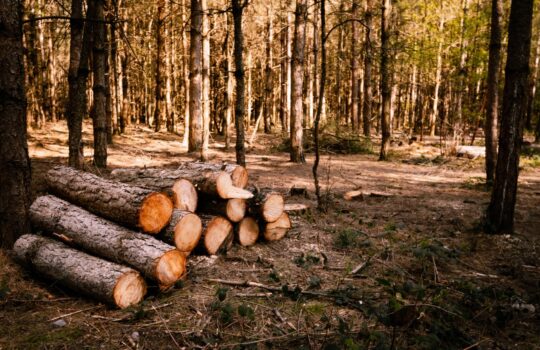
Deliberately leave a pile of leaves and dead wood in an undisturbed corner – this small patch of “managed wilderness” shelters hedgehogs while housing the insects that form the base of the garden food web. If you want a genuinely biodiverse garden, leaving part of the space wild is one of the simplest yet most effective steps you can take.


A Chemical-Free Garden – Ditching Pesticides and Slug Killers

One of the most underestimated threats comes from popular slug pellets containing metaldehyde, often sold as blue granules. This substance is highly toxic to hedgehogs, birds, dogs and cats as well as slugs, and critically, there is no antidote – poisoning can cause seizures, organ failure and death within hours.

Safer alternatives include:

  • pellets based on iron phosphate, far less toxic to vertebrates;
  • physical barriers – copper tape, wood ash or crushed eggshells;
  • hand-picking slugs in the evening or early morning;
  • encouraging natural predators – hedgehogs, birds and certain beetles.

The same applies to pesticides and herbicides, which suppress the insect populations that hedgehogs and amphibians rely on for food. A garden managed without chemicals tends, over time, to regulate pest numbers on its own.

Hazards Lurking in the Garden

Even a well-designed garden can become a deadly trap if a few common hazards aren’t addressed. Walk your garden occasionally through the eyes of a hedgehog or frog and ask what might pose a problem. The most frequent dangers include:

  • garden netting – used for vegetables, fruit or football goals, in which hedgehogs become entangled and die of exhaustion; pull it taut well above ground level;
  • mowers and strimmers, especially in long grass, where a hidden animal is invisible to the operator;
  • robotic lawnmowers – research from the Leibniz Institute and Oxford University found they can cause serious, sometimes fatal, injuries to hedgehogs active at night; switch them off after dark;
  • open pools, drains and steep window wells, from which animals can’t climb out unaided;
  • open bonfires – always move or check a pile of branches by hand before lighting it.

Removing these hazards usually costs nothing – just a change in habits and a bit of attention. These small, consistent actions, repeated across thousands of gardens, genuinely change the fate of local wildlife.

Plants as a Food Base for Insects, Hedgehogs and Amphibians

Insects are the foundation of a healthy garden ecosystem – they’re what hedgehogs and most garden amphibians actually eat. A garden rich in native plants, flowering throughout the season, supports abundant invertebrates that become a stable food source for small vertebrates. Manicured lawns and sterile ornamental plants, however tidy, are often an ecological desert.

Aim for diversity: native perennials flowering at different times, fruit-bearing shrubs like elder or hawthorn, patches of unmown long grass, and avoiding heavily bred double-flowered varieties that produce little accessible nectar or pollen. A garden designed around the whole food chain becomes a largely self-sufficient micro-habitat – the more insects it supports, the more food for hedgehogs and amphibians.

A Seasonal Calendar for Garden Care

Protecting hedgehogs and amphibians is a year-round effort. Spring (March–April) is the season of amphibian migrations to breeding ponds – slow down near known routes and check no animals are trapped while trying to reach water. It’s also when hedgehogs wake from hibernation, weak and hungry, so ensure easy access to fresh water and avoid disturbing them.

Autumn (September–November) is preparation time for winter – this is when it matters most not to tidy too thoroughly, to leave leaf and wood piles alone, and to always check compost by hand before turning it. A yearly review of your garden’s layout – is the fence gap clear, does the pond have accessible banks, has the hedgehog house been buried – keeps it wildlife-friendly all year round.

Conclusion – Start With One Small Step

Designing a garden that welcomes hedgehogs, amphibians and other small creatures doesn’t take a revolution or a big budget – it’s a series of small, considered decisions that together create a safe, biodiverse space. Start with one move: cut a gap in the fence, give up blue slug pellets, leave a pile of leaves in a quiet corner, or dig a small, shallow, fish-free pond.

Each of these gestures, repeated across thousands of gardens, rebuilds the network of habitat that decades of solid fences and garden chemicals have torn apart. One More Tree Foundation has long believed that the biggest changes begin with the smallest, local actions – your garden can become a safe haven for a hedgehog, frog or newt starting today. Take that one step – the rest follows naturally.

protected by reCAPTCHA Privacy Terms